

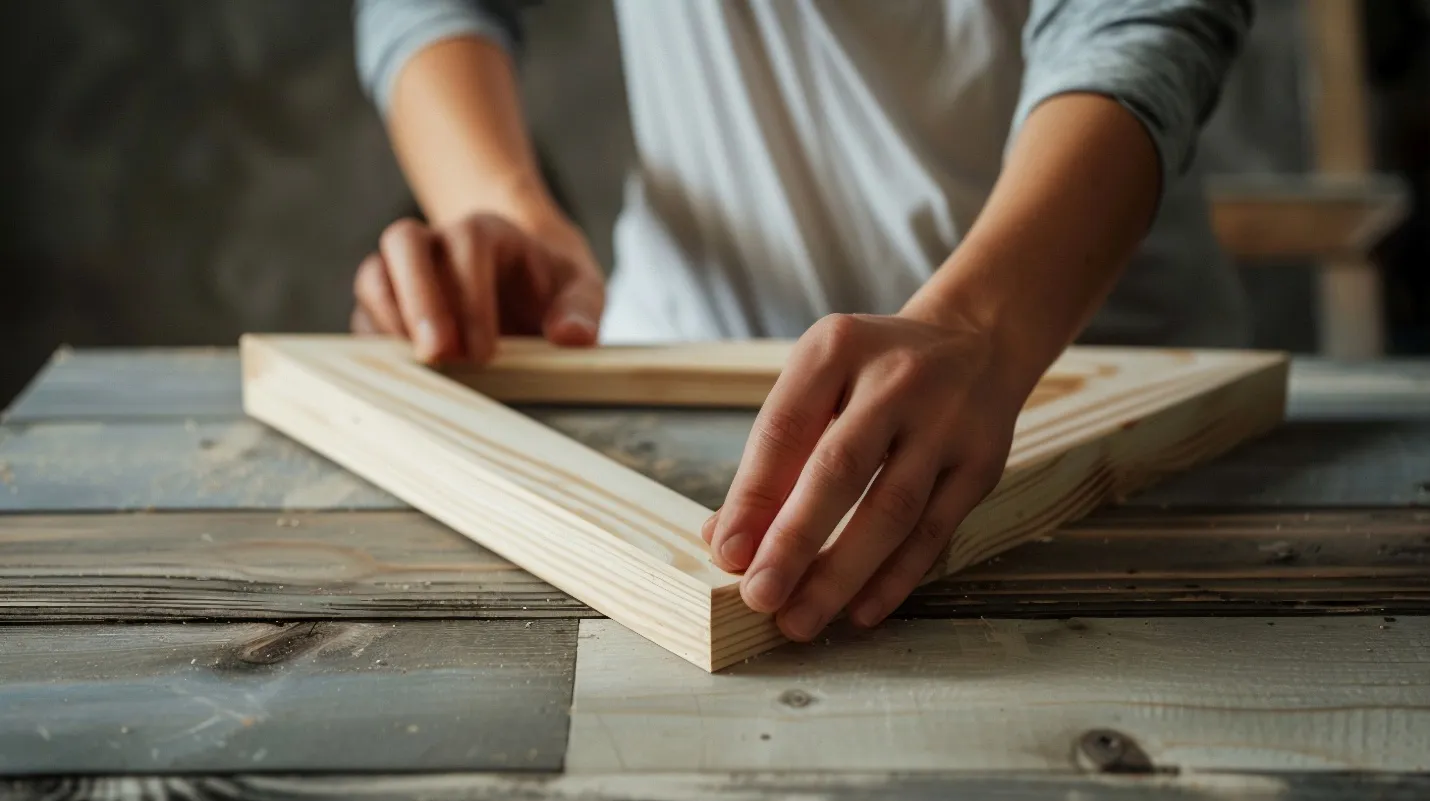
Watertight plywood relies on its core’s strength, which determines its durability, stability, and overall performance characteristics. Although watertight glues create a protective barrier against moisture for the plywood panels, the structural characteristics of the internal core also play a key role in the ability to hold up under the pressures of use over time. The more solid the core construction allows for the distribution of heavy weight, the more impact resistant the waterproof plywood becomes, and it retains its shape over a longer duration.
What Core Strength Means
“Wet plywood” refers to the layers of wood veneers that have been glued together to form a single sheet of plywood. In “wet plywood,” the layering of the veneers occurs in an alternating direction, using a process called “cross-lamination.” This cross-lamination process creates a balanced and dense structure that distributes stress evenly throughout the panel.
The plywood’s core has a strength that allows it to retain its structural integrity when subjected to constant load, environmental conditions such as humidity and temperature fluctuations, or repeated usage.
Increased Load Capacity
One of the benefits provided by a strong core construction in plywood is the ability to support large amounts of weight. The majority of applications utilising waterproof plywood will be for cabinets, wardrobes, shelving units, and furniture that require additional structural support due to the high weight of items stored or placed on these types of products.
When the core layers of the plywood panel glue together tightly and align properly, weight is distributed evenly throughout the panel without bending or cracking. As a result, products made from plywood will last for years and remain structurally reliable.
Structural Integrity and Resistance Against Warping or Damage
Weak-core plywood products may experience distortion (bending or twisting) and separation of the layers due to environmental stressors. Poor construction of plywood panels may also lead to failure due to significant moisture, temperature changes, or excessive repeated usage.
Plywood with a strong-core construction will minimise these problems by providing the panel with internal stability and balance. The cross-laminated core layers increase the plywood’s structural integrity and help mitigate the likelihood of warping or delaminating.
Longevity of Structural Performance
The amount of core strength in plywood will also determine how long the waterproof plywood will provide good service life. If there is no gap between the inside of the core layers, the potential for material failure in plywood due to excessive wear, environmental stress, or form fatigue will greatly increase.
Plywood manufacturers that manufacture waterproof ply using advanced bonded technology, such as Royale Touche, can help ensure that the core layers continue to glue together tightly and maintain their structural stability for a long period of time.
Conclusion
The core strength of waterproof plywood provides the main basis for the performance level of the plywood product. Builders and designers can ensure long-term structural reliability of furniture, cabinetry, and commercial or institutional interior construction applications by selecting high-quality waterproof plywood products with strong-core construction.
