
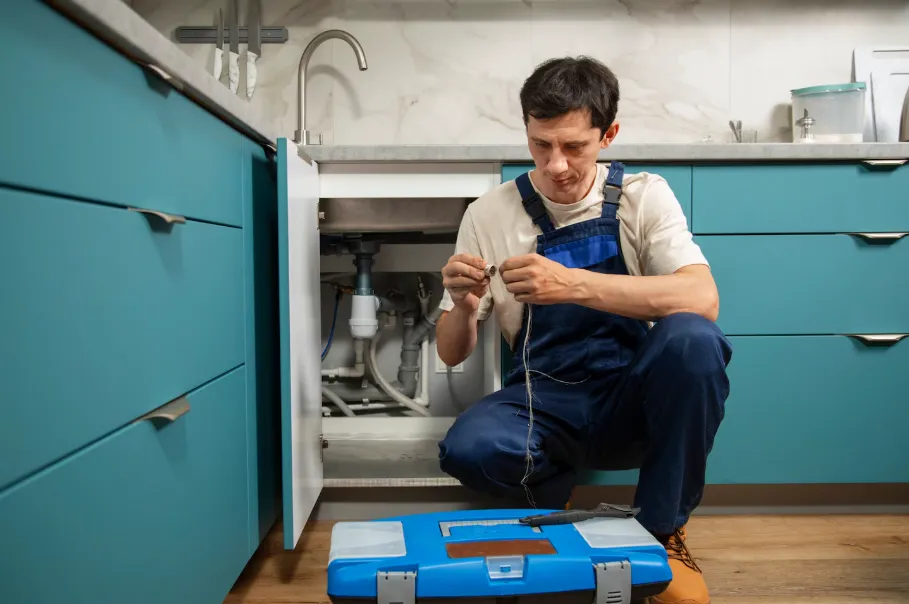
Few household problems are as frustrating—and disruptive—as blocked drains. Whether it’s a slow-draining sink, a backed-up shower, or an unpleasant odor rising from your pipes, drainage issues can quickly turn from a minor inconvenience into a costly repair if ignored.
The good news is that most blocked drains can be prevented or managed with the right knowledge. In this guide, you’ll learn what causes drain blockages, how to fix them, when to call a professional, and how to keep your plumbing system running smoothly.
What Are Blocked Drains?
Blocked drains occur when something obstructs the flow of water through your pipes. This obstruction can build up gradually or happen suddenly, depending on the cause.
When a drain is blocked, you may notice:
- Water draining slowly or not at all
- Gurgling sounds from pipes
- Foul odors from sinks or bathrooms
- Water backing up into fixtures
Ignoring these signs can lead to pipe damage, leaks, or even flooding.
Common Causes of Blocked Drains
Understanding what causes blocked drains is the first step toward preventing them. Most blockages are caused by everyday habits.
1. Grease and Food Waste
In kitchen sinks, fats, oils, and grease are major culprits. When poured down the drain, they cool and solidify, sticking to pipe walls and trapping other debris.
2. Hair and Soap Scum
Bathroom drains often get clogged due to hair combined with soap residue. Over time, this mixture forms stubborn clumps that restrict water flow.
3. Foreign Objects
Items such as wipes, sanitary products, cotton buds, and even small toys can block pipes. Unlike toilet paper, many of these materials do not break down easily.
4. Tree Roots
In outdoor drainage systems, tree roots can invade underground pipes in search of moisture. These roots grow inside the pipes, causing serious blockages and damage.
5. Mineral Build-Up
Hard water can leave mineral deposits inside pipes, gradually narrowing the passage and leading to blocked drains.
Early Warning Signs You Shouldn’t Ignore
Catching drainage problems early can save you time and money. Watch out for these signs:
- Water pooling around drains
- Persistent bad smells
- Bubbling noises when water drains
- Overflowing toilets or sinks
These symptoms often indicate that a blockage is forming deeper in your plumbing system.
Simple Ways to Fix Minor Blocked Drains
Not every blockage requires professional help. Some minor issues can be resolved with basic tools and techniques.
1. Hot Water Flush
Pouring hot (not boiling) water down the drain can help dissolve grease and soap build-up.
2. Plunger
A plunger creates pressure that can dislodge blockages. It works well for sinks, toilets, and showers.
3. Baking Soda and Vinegar
This natural solution can help break down minor clogs:
- Pour baking soda into the drain
- Add vinegar
- Let it sit for 15–20 minutes
- Flush with hot water
4. Drain Snake
A drain snake or auger can physically remove hair and debris stuck in pipes.
While these methods are effective for small issues, they may not work for severe or deep blockages.
When to Call a Professional Plumber
Some blocked drains require expert attention. Delaying professional help can worsen the problem.
Call a plumber if:
- Multiple drains are clogged at once
- Water backs up frequently
- You notice sewage smells
- DIY methods don’t work
- There’s visible water damage
Professional plumbers use advanced tools like drain cameras and high-pressure jetting systems to identify and clear blockages effectively.
The Risks of Ignoring Blocked Drains
Blocked drains are not just a nuisance—they can lead to serious consequences if left untreated.
1. Pipe Damage
Pressure from trapped water can cause pipes to crack or burst, leading to expensive repairs.
2. Health Hazards
Standing water and waste buildup create a breeding ground for bacteria and mold, posing health risks.
3. Structural Damage
Water leaks from blocked drains can damage walls, floors, and foundations over time.
4. Increased Repair Costs
A small blockage is much cheaper to fix than a major plumbing failure. Early action can save significant money.
Preventing Blocked Drains: Smart Habits That Work
Prevention is always better than cure. Simple daily habits can greatly reduce the chances of blocked drains.
Here are a few effective practices:
- Avoid pouring grease or oil down the sink
- Use drain covers to catch hair and debris
- Dispose of food scraps in the trash instead of the sink
- Only flush toilet paper—no wipes or hygiene products
- Clean drains regularly with hot water
These small changes can make a big difference over time.
Blocked Drains in Commercial Spaces
Blocked drains are not limited to homes. Offices, restaurants, and commercial buildings often face even bigger challenges due to higher usage.
Common issues in commercial settings include:
- Grease buildup in restaurant kitchens
- Heavy usage leading to faster clogging
- Improper waste disposal by multiple users
Regular maintenance and inspections are essential for businesses to avoid disruptions and costly downtime.
Modern Solutions for Drain Maintenance
Today’s plumbing industry offers advanced solutions for managing blocked drains.
1. CCTV Drain Inspections
Small cameras are inserted into pipes to locate blockages and assess damage without digging.
2. Hydro Jetting
High-pressure water jets are used to clear stubborn clogs and clean pipe walls thoroughly.
3. Pipe Relining
Instead of replacing damaged pipes, plumbers can reline them from the inside, saving time and cost.
These modern techniques make it easier to diagnose and fix problems quickly and efficiently.
Eco-Friendly Drain Care
Many chemical drain cleaners promise quick results, but they can harm your pipes and the environment.
Consider eco-friendly alternatives:
- Use natural cleaning solutions like baking soda and vinegar
- Avoid harsh chemicals that corrode pipes
- Dispose of waste responsibly
Sustainable practices not only protect your plumbing but also reduce environmental impact.
Final Thoughts: Keep Your Drains Flowing Smoothly
Blocked drains are a common but preventable problem. With the right knowledge and habits, you can avoid most issues and keep your plumbing system in excellent condition.
Remember:
- Act quickly when you notice early signs
- Use simple DIY methods for minor clogs
- Don’t hesitate to call a professional for serious problems
- Maintain good daily habits to prevent future blockages
A well-maintained drainage system ensures comfort, hygiene, and peace of mind. By taking proactive steps today, you can avoid the stress and expense of dealing with major blocked drains tomorrow.
