
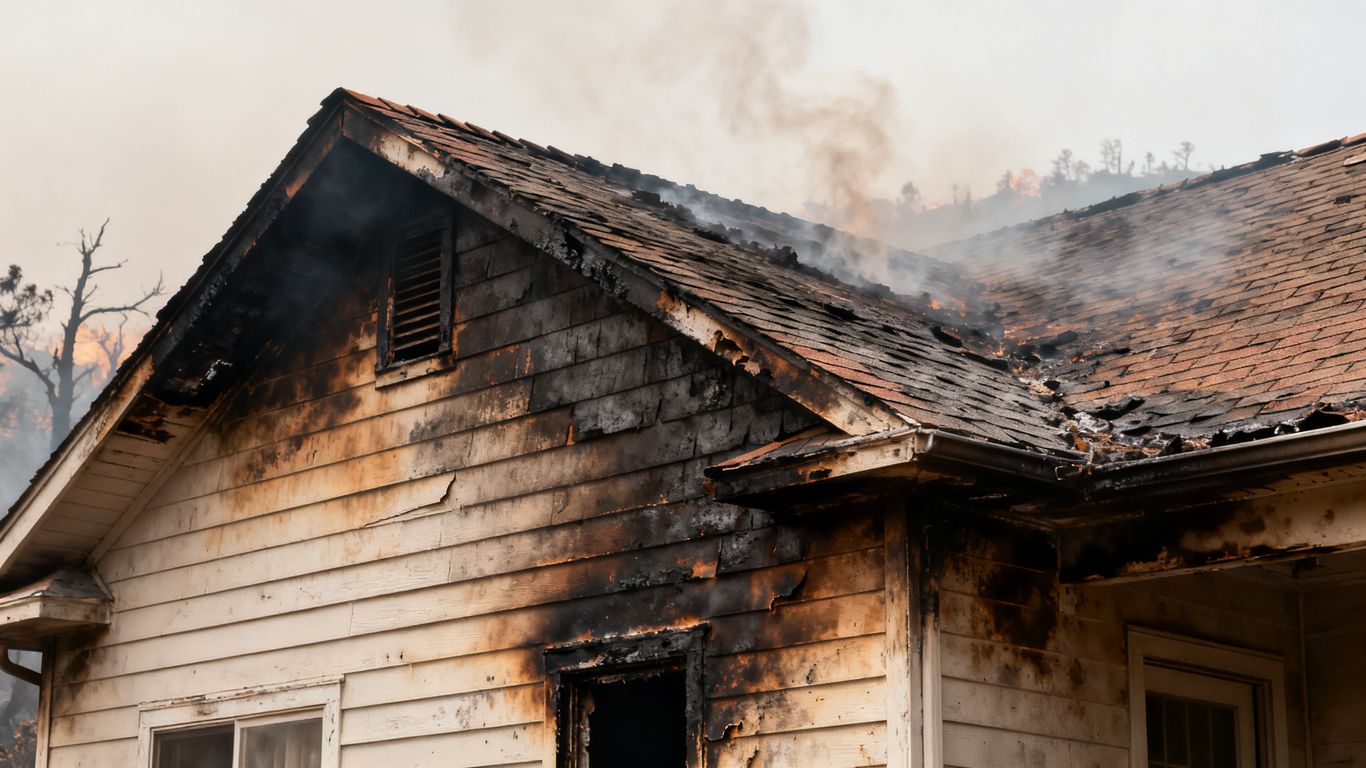
Wildfires leave behind more than just visible char and ash. The intense heat and smoke can cause subtle yet significant damage to a home’s structure and materials, often going unnoticed until much later. These hidden compromises can affect the integrity and safety of your property.
Subtle Heat Damage to Building Components
Even without direct flames, extreme heat can weaken building materials. Wood framing, for instance, can experience “case hardening,” where the exterior chars while the interior remains structurally sound, but the overall strength is reduced. This makes it more susceptible to future stress. Metal components, like nails and fasteners, can lose their temper, becoming brittle and less effective at holding structures together. Drywall and plaster can develop micro-cracks that aren’t immediately visible but can worsen over time. These seemingly minor alterations compromise the long-term stability of your home.
Infiltration of Smoke and Soot Particles
Smoke and soot are not just an odor problem; they are fine particles that can penetrate deep into building materials. These particles can get into wall cavities, under flooring, and within insulation. Over time, they can break down materials and contribute to degradation. The acidic nature of some smoke residues can also corrode metal surfaces, including wiring and plumbing components, leading to premature failure. This pervasive infiltration is a key reason why a thorough fire damage inspection is so important.
Long-Term Effects of Ash Contamination
Ash left behind after a wildfire can contain various chemicals and fine particulates. When mixed with moisture, ash can become acidic and corrosive, damaging exterior surfaces like siding, roofing, and concrete. It can also clog gutters and drainage systems, leading to water pooling and potential foundation issues. Furthermore, ash can settle into landscaping and soil, potentially requiring remediation to restore the health of your yard and prevent future problems. Addressing ash contamination promptly is key to preventing lasting damage.
Hidden Dangers Within Your Home’s Systems
Wildfires don’t just scorch the landscape; they can silently compromise the very systems that keep your home running. Even if your property wasn’t directly in the path of flames, the pervasive smoke and intense heat can cause significant, often overlooked, damage.
HVAC System Contamination from Smoke
Smoke and its associated particles are incredibly fine and can infiltrate your home through even the smallest openings. Your heating, ventilation, and air conditioning (HVAC) system acts like the lungs of your house, circulating air throughout. When smoke enters this system, it can deposit soot and odor-causing residues deep within the ductwork, on fan blades, and within the filter mechanisms. This contamination can lead to persistent, unpleasant odors and potential respiratory issues for occupants long after the fire has passed.
- Ductwork: Soot can coat the interior surfaces, releasing odors with every use of the system.
- Filters: Standard air filters will quickly become saturated with smoke particles, reducing airflow and failing to capture further contaminants.
- Internal Components: Blower motors, coils, and other internal parts can accumulate residue, leading to reduced efficiency and potential mechanical failure.
Professional cleaning of the entire HVAC system is often necessary, and sometimes replacement of components like filters or even entire duct sections is recommended. Ignoring this can mean breathing in smoky air for months.
Electrical System Vulnerabilities from Heat Exposure
While direct flame contact is the most obvious cause of electrical damage, extreme heat from a wildfire can also cause subtle but serious problems for your home’s electrical system. High temperatures can degrade insulation on wiring, making it brittle and more prone to short circuits or electrical fires. This is particularly concerning in attics or crawl spaces where wiring is often exposed to the elements and can reach extreme temperatures during a fire event.
- Wire Insulation Degradation: Heat can cause the protective plastic coating on wires to crack or melt.
- Component Stress: Sensitive electronic components within outlets, switches, and circuit breaker panels can be damaged by prolonged heat exposure.
- Increased Fire Risk: Compromised wiring and stressed components create a higher risk of electrical malfunctions and fires, even without direct flame contact.
An electrician should inspect the system, especially if there was significant heat exposure near electrical infrastructure. They can identify weakened insulation or stressed components that might pose a future risk.
Compromised Insulation and Air Quality
Wildfire smoke and ash can settle into your home’s insulation, whether it’s in the attic, walls, or crawl spaces. This isn’t just about a lingering smell; the fine particles can degrade the insulation’s effectiveness and potentially harbor mold or other contaminants over time. Furthermore, if smoke has infiltrated your attic space, it can find its way into the living areas through small gaps and openings, impacting your indoor air quality. Proper remediation often involves not just cleaning but also potentially replacing compromised insulation to restore both thermal efficiency and healthy air.
- Odor Absorption: Insulation materials are porous and can trap smoke odors deeply.
- Reduced R-Value: Ash and soot can potentially affect the insulating properties of materials.
- Air Leakage: Smoke particles can exacerbate existing air leaks or create new pathways for contaminants to enter the home.
Financial Repercussions Beyond Repair Costs
Wildfire damage isn’t just about what insurance will pay for fixing walls or replacing roofs. The ripple effects stretch much further, hitting homeowners in ways they often don’t expect until the bills start piling up. Sometimes, the biggest financial headaches begin after the flames are out.
Diminished Property Value Post-Wildfire
Even after new paint and repairs, a wildfire-damaged home can lose its appeal on the market. Buyers get nervous about past fire exposure, and this can drag down the value, months or even years after the house has been repaired. Owners might notice:
- A long wait to sell the property.
- Lower offers compared to nearby homes without a wildfire history.
- Trouble securing regular home insurance, which turns off potential buyers.
For people looking for clarity on what’s recoverable, understanding the full scope of wildfire insurance claims in California, including hidden costs like this, is smart planning. More info is available on hidden wildfire costs.
Credit Score Impacts from Delayed Claims
When insurance companies are slow to pay, it puts homeowners in a tight spot. Delayed payments might mean maxing out credit cards for urgent repairs or even missing mortgage payments. These setbacks can drag a credit score down quickly, making it harder to borrow or refinance later. A few simple ways finances can spiral during recovery:
- Unpaid bills lead to dings on the credit report.
- Using high-interest loans or cards as a stopgap.
- Falling behind on mortgage or rent if the house can’t be lived in.
Increased Utility Costs During Recovery
Wildfire recovery often means running filtration systems, extra air conditioning, or heavy-duty cleaning equipment around the clock. This pushes up utility bills fast. Sometimes, repairs or temporary fixes aren’t energy-efficient, so even a simple task like running a dehumidifier gets pricey. Look for:
- Higher electric and gas bills during and after repairs.
- More water use for cleaning, landscaping, or dust control.
- Charges for short-term air filters or purifiers.
In the end, hidden financial hit after a wildfire can be as stressful as the visible damage. Thinking beyond the basics helps prepare, and can even lead to more complete compensation if homeowners are proactive about documenting losses and understanding their rights. Those dealing with smoke damage or extra living expenses can find helpful tips about valid wildfire insurance claims for less obvious losses.
Insurance Claim Complexities and Common Pitfalls
Underestimating Initial Settlement Offers
It’s quite common for insurance companies to present a first settlement offer that falls short of the actual costs needed to repair or rebuild. This initial figure is often lower than what’s required, and insurers might hope that homeowners, already stressed, will accept it quickly. Always get an independent assessment of the damage before agreeing to anything. This helps ensure you’re not accepting less than you’re owed. Insurers can also use depreciation tactics, paying less for items based on age rather than their replacement cost, which can leave you with a significant out-of-pocket expense.
Misinterpreting Policy Coverage Terms
Understanding your insurance policy is key, but many homeowners find the language confusing. Knowing the difference between actual cash value (ACV) and replacement cost value (RCV) coverage is important, as it directly impacts how much you’ll receive. Policies can also have specific exclusions or limitations that might not be immediately obvious. It’s easy to overlook details about what is and isn’t covered, especially concerning less visible damage like smoke infiltration or structural stress from heat. If your claim is denied, you have the right to appeal the decision [af6f].
Inadequate Documentation of All Losses
Thorough documentation is critical for a successful insurance claim. Without good records, it’s hard to prove the full extent of your losses. This includes:
- Taking detailed photos and videos of all damaged areas, from wide shots to close-ups.
- Keeping receipts for any temporary repairs or living expenses incurred.
- Creating a detailed inventory of damaged personal property, including descriptions and estimated values.
Failing to document everything properly can lead to delays, disputes, and a lower settlement. Insurers might also claim you failed to mitigate damages if you don’t take reasonable steps to protect your property after an event.
The Pervasive Impact of Smoke and Ash
Wildfires leave behind more than just visible char and debris. The smoke and ash that drift for miles can cause significant, often unseen, damage to homes and their contents. This pervasive contamination requires careful attention, as it can lead to long-term problems if not properly addressed.
Smoke is a complex mixture of fine particles and chemicals. Even when flames do not directly touch a property, these particles can penetrate deep into building materials, fabrics, and even electronics. This infiltration can lead to several issues:
- Persistent Odors: Smoke particles can embed themselves in porous materials like drywall, insulation, carpets, and upholstery, creating stubborn odors that are difficult to remove. These smells can linger for months or even years, impacting the air quality and comfort of your home.
- Material Degradation: The acidic nature of smoke residue can cause corrosion on metal surfaces, including electronics and structural components. Over time, this can lead to premature failure of appliances, wiring, and even support beams.
- Health Concerns: Inhaling smoke particles and associated chemicals can pose health risks, leading to respiratory problems and other ailments. Proper remediation is not just about aesthetics; it’s about ensuring a healthy living environment.
Ash, while seemingly inert, also presents challenges. It can contain fine particulate matter that, when disturbed, becomes airborne and can be inhaled. Furthermore, ash can absorb moisture, potentially leading to mold growth if not cleaned thoroughly. The full extent of smoke and ash damage often goes unnoticed by homeowners, leading insurers to underestimate the necessary remediation efforts.
Addressing this type of damage typically requires professional services. Standard cleaning methods may not be sufficient to remove deeply embedded smoke particles or neutralize the associated odors. Specialized equipment and cleaning agents are often necessary to effectively remediate affected areas. This is where understanding the scope of smoke damage becomes critical for homeowners seeking a complete recovery. Without professional intervention, the subtle damage caused by smoke and ash can continue to affect your home and health long after the wildfire has passed.
Beyond Visible Fire Damage: What Insurers May Overlook
Damage Without Direct Flame Contact
Wildfires don’t always need to engulf a home to cause significant damage. Smoke and heat can travel far, affecting areas that never saw direct flames. Insurers might focus only on the charred remains, overlooking the subtle but costly harm caused by proximity. Smoke, for instance, is a complex mixture of fine particles and chemicals that can seep into structures, even through tiny cracks. This infiltration can damage insulation, discolor walls and ceilings, and contaminate your heating and cooling systems. It can also corrode sensitive electronics and leave behind persistent odors that are incredibly difficult to remove. The true cost of smoke damage often extends far beyond what is immediately apparent.
Water Damage from Firefighting Efforts
When firefighters battle a blaze, they use vast amounts of water. While this is necessary to save lives and property, the water itself can cause substantial damage. This includes structural issues from saturation, mold growth in damp areas, and damage to finishes and belongings. Insurers sometimes view this water damage as separate from the fire itself, potentially leading to disputes over coverage. It’s important to remember that this water damage is a direct consequence of the firefighting efforts to combat the wildfire, and therefore, should be covered under your policy.
Loss of Use and Additional Living Expenses
If your home becomes uninhabitable due to wildfire damage, your policy likely includes coverage for Additional Living Expenses (ALE) or Loss of Use. This is meant to cover the costs of temporary housing, meals, and other essential expenses incurred while your home is being repaired. However, insurers may try to limit these payouts or argue that the expenses are excessive. It’s important to keep detailed records of all costs associated with living elsewhere, as these can add up quickly. Sometimes, these costs can exceed standard coverage limits, and negotiating with your insurer becomes necessary to ensure you’re not left with a significant financial burden during your recovery period.
