
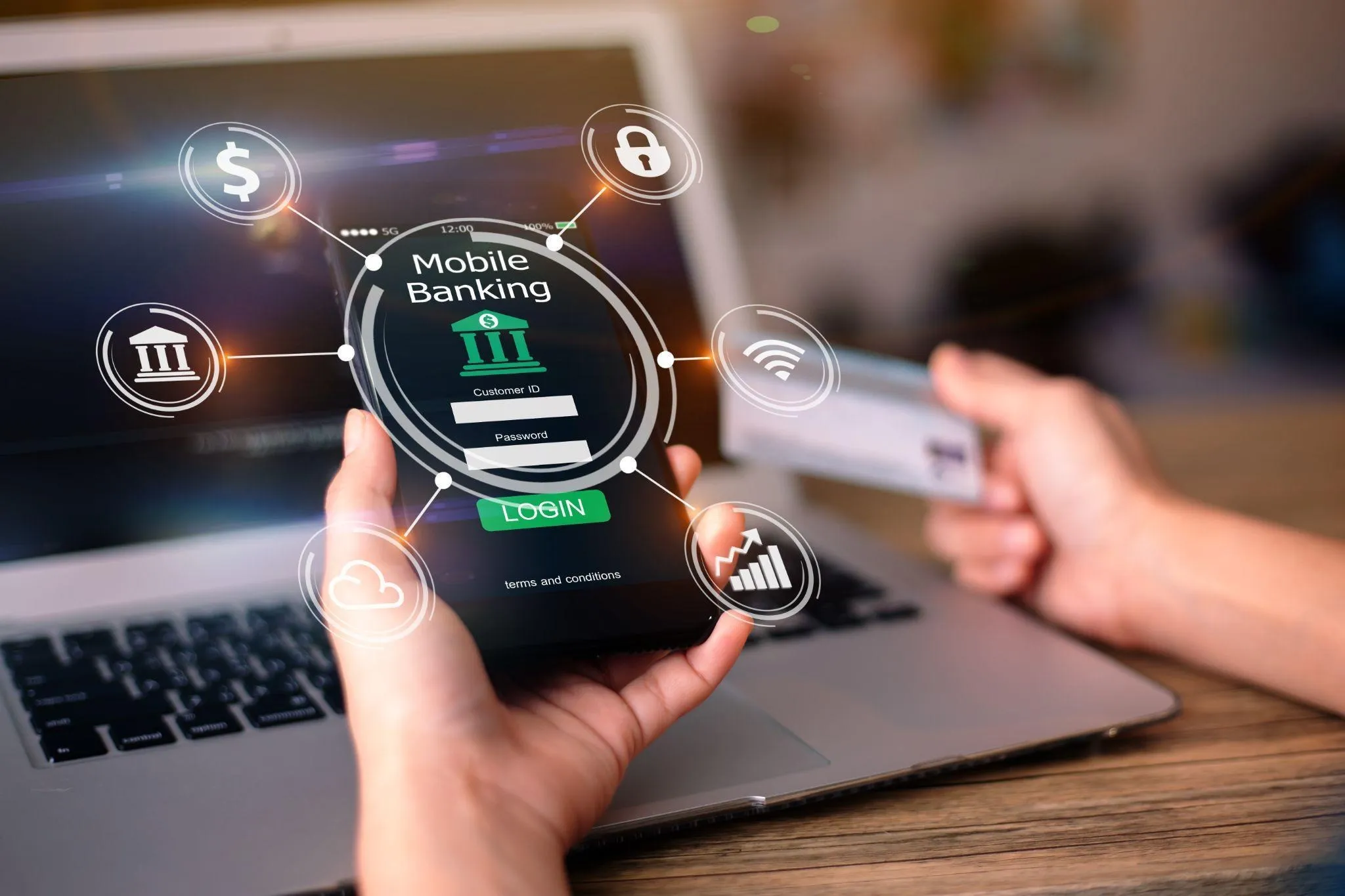
Banking has shifted from traditional branch visits to digital experiences that let customers manage finances through connected devices. Technology has transformed how people access accounts, transfer money, make payments, monitor transactions, and communicate with financial institutions. These changes have also raised expectations for faster, more convenient financial services.
The growing adoption of smart banking reflects this transformation across the financial sector. Mobile applications, digital payments, automated customer support, instant notifications, and personalized financial tools are making everyday banking more accessible. Customers can complete routine transactions remotely while gaining greater visibility into their financial activity. As institutions continue adopting advanced technologies, digital services are becoming more integrated into everyday financial management, reducing dependence on physical branches while creating more flexible, customer-focused banking experiences.
Digital Transformation Reshaping Modern Banking Experiences
Technology is changing traditional banking models by connecting financial services with faster, more accessible, and increasingly personalized digital experiences.
1. Mobile Banking Improving Everyday Accessibility
Mobile banking apps let customers complete routine tasks without visiting a branch. Customers can complete account monitoring, fund transfers, bill payments, transaction tracking, and service requests through smartphones. This accessibility is particularly useful for customers managing finances across busy schedules. Modern applications also provide notifications and account insights that help users remain informed about financial activity. By combining convenience with secure authentication, mobile banking has become an important part of the broader digital transformation taking place across financial services.
2. Digital Payments Simplifying Financial Transactions
Digital payment systems have made everyday transactions faster and more convenient. Customers can use mobile wallets, payment applications, cards, QR codes, and online banking platforms for purchases and transfers. These options reduce reliance on cash while supporting seamless transactions across different environments. As payment technologies continue developing, financial institutions are focusing on improving transaction speed, security, reliability, and user experience. The expansion of digital payments shows how technology is transforming routine financial activities into simpler, more accessible experiences.
3. Personalized Services Supporting Customer Needs
Modern financial platforms can use customer data and digital interactions to provide more personalized experiences. Account insights, spending summaries, relevant product recommendations, and customized notifications can help users understand their financial activity. Personalization also enables institutions to design services around different customer preferences and behaviors. However, responsible data management remains essential. Strong privacy practices and transparent communication can help build customer confidence while allowing financial institutions to use technology to deliver more relevant and useful banking experiences.
4. Cloud Technology Enabling Banking Innovation
Cloud computing gives financial institutions flexible infrastructure to develop and manage digital services. It can support data processing, application development, scalability, and integration across different banking systems. Cloud-based environments can also help institutions introduce new services more efficiently when implemented with appropriate security and governance controls. As financial organizations modernize legacy infrastructure, cloud technologies are becoming an important component of digital transformation, supporting the development of more responsive and adaptable banking ecosystems.
Customer-Centered Features Defining Smart Banking Growth
The expansion of smart banking is closely connected with customer expectations for convenient access, secure transactions, personalized experiences, and responsive financial services.
1. Secure Digital Authentication
Digital banking requires strong authentication to protect accounts and transactions. Multi-factor authentication, biometric verification, device recognition, and transaction alerts add layers of protection. These technologies help financial institutions verify customers while reducing opportunities for unauthorized access. Security systems must continue evolving as cyber threats become more sophisticated. Educating customers about safe login practices, suspicious messages, and account protection is equally important because technology-based security works most effectively when supported by responsible user behavior.
2. Real-Time Financial Notifications
Instant notifications provide customers with timely information about account activity. Alerts can inform users about payments, withdrawals, transfers, deposits, and unusual transactions. This visibility allows customers to monitor their finances more closely and identify potentially unauthorized activity sooner. Real-time communication also improves transparency because users do not have to wait for periodic statements to understand what is happening within their accounts. Financial platforms can customize these alerts so customers receive information relevant to their individual needs.
3. Integrated Financial Management
Digital platforms increasingly bring multiple financial activities together within a single interface. Customers can review accounts, transfer funds, pay bills, manage cards, and monitor spending without switching between systems. Integrated experiences reduce complexity and make routine financial management more convenient. As financial ecosystems become more connected, interoperability between services can add value while requiring institutions to maintain strong security, privacy, and data governance practices.
4. Financial Insights And Planning Tools
Digital banking platforms increasingly provide tools that help customers understand spending patterns and financial activity. Categorized transactions, budgeting features, savings goals, and account summaries can make financial information easier to interpret. These tools can encourage more informed financial decisions by presenting relevant information in accessible formats. Rather than simply displaying balances, modern platforms can help users better understand their financial habits and take a more active role in managing everyday money decisions.
Digital Banking Ecosystems Supporting Future Growth
The future of banking will increasingly depend on connected technologies, evolving customer expectations, and stronger digital infrastructure. Institutions are investing in mobile-first experiences, artificial intelligence, cloud platforms, cybersecurity, automation, and data-driven services to remain competitive. At the same time, regulatory compliance and customer trust remain essential to sustainable innovation. Financial organizations must ensure that new technologies improve convenience without compromising privacy, security, transparency, or accessibility. As digital ecosystems mature, collaboration between banks, fintech companies, technology providers, and regulators can encourage responsible innovation and create more adaptable financial services.
Conclusion
The transition from physical branches to digital platforms is reshaping financial services around convenience, accessibility, personalization, automation, and secure technology. Customers increasingly expect banking experiences that are available across devices and designed around their changing financial needs.
The digital banks ecosystem will remain an important part of this transformation as financial institutions, fintech companies, and technology innovators continue developing smarter services. The World Financial Innovation Series (WFIS) – Vietnam provides a platform for industry professionals to explore financial technology trends, exchange insights, and discuss innovations shaping the future of banking and financial services.
