
Old slabs sit quietly underfoot while daily life happens right above them. People step across grey porch surfaces daily, rarely giving a second thought to what rests beneath that cold outer rock layer. Slapping liquid resin directly over compromised concrete mimics slapdash paint work applied over rusted automobile panels. Glossy top finishes look stunning for a brief period, yet sudden blistered pockets quickly break through the surface. Rising moisture forces its way upward through hidden pathways, detaching fresh materials from the base stone. Skipping basic floor preparation causes early system breakdown every single time. Thorough initial groundwork maintains structural stability for decades.
The Hidden Danger of Unseen Cracks
Thin surface lines usually point toward serious structural issues resting far deeper inside the concrete. Water sneaks right into tiny hairline openings whenever rain strikes the outdoor pad. That trapped fluid builds up significant upward pressure as temperatures shift back and forth. Freezing weather causes trapped water pockets to expand suddenly, splitting solid stone apart from within. Covering raw, unsealed gaps with thick resin traps liquid directly underneath your new floor finish. Hot sunny afternoons convert that moisture into rising vapour, lifting heavy coatings right off the ground. Timely concrete repairs seal these internal fractures completely before major application work begins.
Surface Contaminants Prevent Strong Adhesion
Engine oil drips from older trucks soak deep into porous driveway stone as seasons pass by. Daily household cleaners, heavy grease, and fine dirt particles also pack tightly into open surface pores. Fresh liquid coatings demand a completely clean base so they can bond securely to raw stone. Dusty table surfaces prevent sticky adhesive tape from grabbing hold, causing it to peel off almost instantly. Grinding away top grime exposes raw, clean aggregate sitting just below the dirty surface layer. Mechanical profiling opens up tight pores, letting liquid resins sink deep into the stone matrix. Deep penetration creates an interlocking bond capable of supporting heavy rolling truck tyres.
Understanding Slab Moisture Vapour Emissions
Subsurface groundwater moves steadily upward through thick residential foundations without stopping. Concrete acts like an oversized sponge, pulling wet moisture right out of damp soil beneath the house. Sealing the upper surface locks that migrating moisture inside with nowhere left to run. Strong vapour pressure easily pushes smooth resin coatings straight off the hard stone foundation. Testing internal dampness tells workers if special moisture barrier primers are needed before applying topcoats. Installing costly floor coatings without checking moisture levels leads to ruined materials and wasted project budgets. Checking dampness early protects your heavy capital investment against premature bond failure.
Fixing Uneven Levels and Laitance
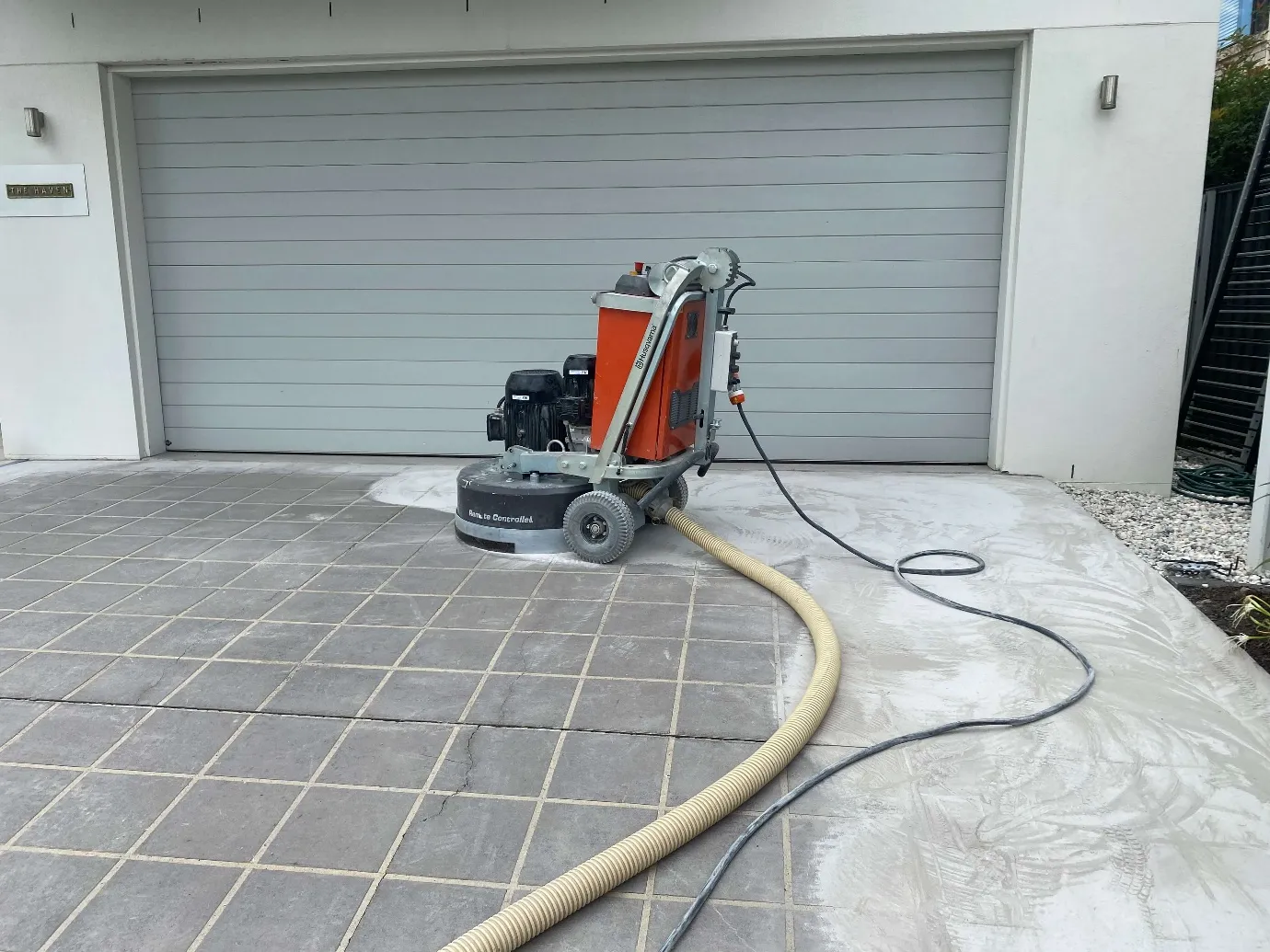
Freshly poured concrete forms a thin, brittle crust of soft cement paste on its top surface. Tradesmen call this weak top layer laitance, and it crumbles easily under moderate foot pressure. Applying resin over weak laitance means your new floor relies entirely on loose sand particles for support. Heavy footsteps will eventually break that fragile crust away from the solid concrete underneath. Mechanical grinding strips off this weak crust, uncovering the tough, dense aggregate buried below. Filling low spots and levelling high ridges eliminates dangerous trip hazards across the entire workspace. Smooth, flat bases allow fluid resin mixtures to roll out evenly and look remarkably clean.
Selecting the Correct Mechanical Profile
Texture plays a massive role when bonding heavy chemical coatings onto dense concrete slabs. Troweled garage floors present a surface that is far too slick for thick liquids to grab. Mechanical profiling carves millions of micro-grooves into the slab so resins sink into the stone. Shot blasting machines or heavy diamond grinders rough up smooth stone much like coarse sandpaper does. The resulting texture feels surprisingly like rough orange peel under your bare fingertips. Matching surface roughness to coating thickness prevents peeling around outer edges down the road. Proper profiling turns slick concrete into an ideal anchor zone for liquid resins.
Long-Term Savings Through Preparation
Skipping essential steps during early prep work doubles total costs when full failure occurs later on. Failed resin layers must be scraped off completely before starting the whole installation over again. Removing damaged floor coatings costs far more than completing proper groundwork during the initial project phase. Dedicating adequate time to basic surface prep ensures your new floor remains solid for many years. Tough, well-bonded floors easily handle hot vehicle tyres, chemical spills, and heavy dropped hand tools without cracking. Wise property owners prioritise proper initial steps to protect their long-term renovation investments. Doing things right from the start keeps total maintenance expenses remarkably low over time.
Conclusion
Every durable floor system relies entirely on the structural integrity of the underlying slab. Overlooking small cracks or embedded oil patches leads directly to premature peeling, severe bubbling, and complete bond breakdown. Taking time to repair structural flaws, grind away weak top layers, and block rising dampness ensures long-lasting performance. Professional surface prep provides the anchor pattern needed for chemical coatings to grip firmly for years. For dependable results that look great and last long, rely on epoxyflooringredlands.com.au for all your base prep requirements.
