
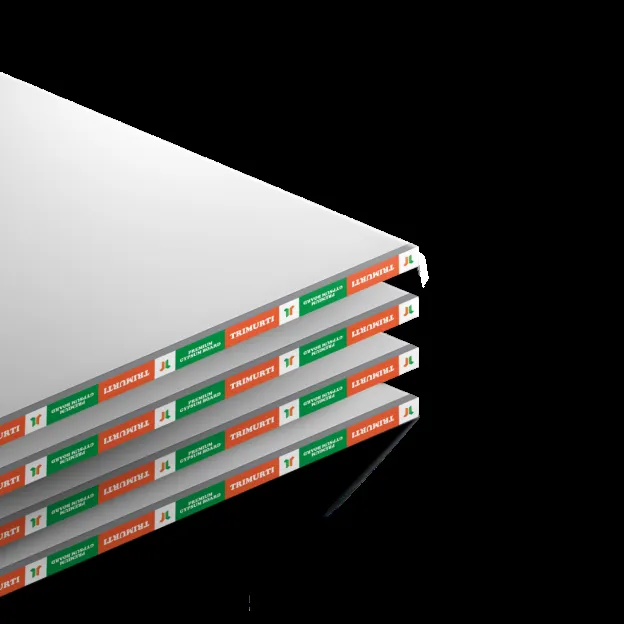
A false ceiling can transform a room, hiding wiring, improving acoustics, and adding a clean architectural finish that changes how a space feels. But the difference between a false ceiling that lasts for decades and one that sags, cracks, or rattles within a few years often comes down to details most homeowners never think to ask about. One of the most overlooked of these is the false ceiling fastener, a small component that plays an outsized role in how secure, level, and long-lasting the final structure turns out to be.
Understanding which details genuinely matter, and why, helps homeowners and contractors alike avoid problems that only become visible months after installation.
Why the Small Components Carry So Much Weight
It’s easy to focus on the visible elements of a false ceiling project: the design, the lighting layout, the finish. But everything above that visible surface, the grid, the channels, the suspension points, and the fasteners holding it all together, determines whether the ceiling stays flat, quiet, and structurally sound over time.
A poorly chosen fastener, for instance, might hold initially but gradually loosen under the combined weight of the ceiling material, lighting fixtures, and everyday vibration from doors, footsteps, or HVAC systems. Once that happens, sagging, uneven panel lines, or visible cracks at the joints usually follow, problems that are far more expensive and disruptive to fix after installation than they would have been to prevent at the start.
Getting the Grid and Framework Right
The framework is the skeleton of any false ceiling. It typically includes channels, T-grids, and suspension wires or rods that hold the entire structure at the correct height and alignment. If this framework isn’t installed with precise spacing and proper leveling, even high-quality ceiling panels will end up looking uneven or develop stress points where the material bends slightly out of shape.
Consistent spacing between suspension points matters just as much as the framework material itself. Skipping suspension points to save time or material is one of the more common shortcuts that leads to visible sagging months down the line, particularly in larger rooms where the ceiling spans a wider area without adequate support.
Selecting The Right Fastener For The Job
The right choice depends on more than simply finding a fastener that fits the framework. Before installation, consider:
● Substrate: Concrete, masonry, plaster, and other surfaces can require different fixing approaches.
● Load requirements: Consider the weight of the ceiling system as well as fixtures or additional layers attached to it.
● Environmental conditions: Humidity, temperature changes, and exposure to moisture can affect long-term performance.
● Compatibility: The fastener should work properly with the specific channels, suspension system, and ceiling material being used.
● Holding strength: A fixing that performs adequately in one application may not provide the same reliability in another.
This makes the false ceiling fastener discussion much easier to scan without sounding promotional
Joint Treatment and Finishing Details
Once the framework and panels are securely installed, joint treatment becomes critical to the final appearance and durability of a false ceiling. Poorly finished joints can create visible lines, uneven surfaces, or cracks that become increasingly noticeable after painting. Each joint should be properly taped and filled before the surface is sanded and primed. Corners and edges also need careful attention because movement or inadequate compound application can cause cracking in these areas.
Openings around light fixtures, vents, and access panels should be finished neatly without placing unnecessary stress on the surrounding board. Good finishing is not simply about achieving a smooth appearance. It also helps create a consistent surface that responds better to normal building movement, temperature changes, and everyday use over time.
Moisture and Ventilation Considerations
Moisture can gradually compromise a false ceiling, particularly in bathrooms, kitchens, utility areas, and naturally humid environments. Choosing suitable materials at the planning stage can reduce the likelihood of warping, discolouration, mould growth, and deterioration around joints. Moisture-resistant boards may be more appropriate for areas exposed to regular humidity, while adequate ventilation can help prevent moisture from becoming trapped above the ceiling.
Installers should also consider how steam, condensation, and air circulation will affect the concealed space over time. Jointing compounds and other finishing materials should be selected with the surrounding conditions in mind rather than treated as interchangeable products. These decisions may appear minor during installation, but they can significantly influence how well the ceiling maintains its appearance and performance in demanding environments.
Working With Materials You Can Trust
The quality of a false ceiling depends heavily on the consistency of the materials used. Key considerations include:
● Gypsum boards: Uniform thickness and dimensions help achieve a level surface and cleaner finish.
● Channels: Rigid channels provide better framework stability and reduce unwanted movement.
● Fasteners: Properly rated fasteners help maintain secure connections between the ceiling components.
● Compatibility: Boards, channels, suspension systems, and fasteners should be suitable for use together.
● Material consistency: Consistent quality across all components helps prevent weak points within the installation.
Using dependable materials alongside proper installation practices can improve the ceiling’s stability, appearance, and long-term performance.
Final Thought
A false ceiling is only as reliable as the details holding it together, the framework spacing, the fastener choice, the joint treatment, and the moisture protection all play a role that’s easy to overlook until something goes wrong. Getting these small decisions right at the outset is what separates a ceiling that stays flat and quiet for decades from one that needs repairs within a few years. Paying attention to these details early on saves both cost and hassle down the line. Trimurti products has spent years supplying ceiling components, from channels and grids to fasteners and jointing compounds, that installers rely on to get these small details right, helping ensure every false ceiling project holds up the way it’s meant to.
