
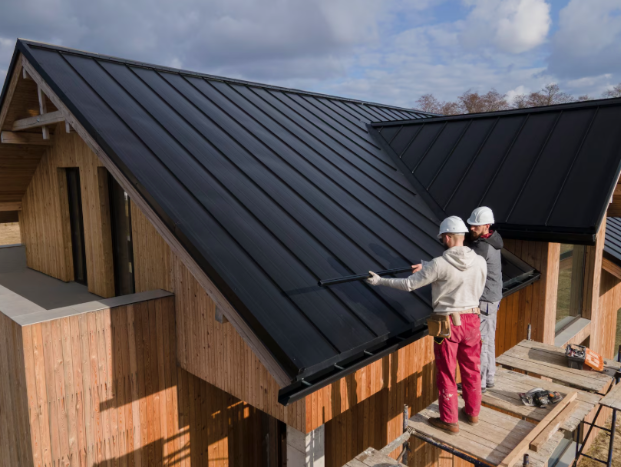
Comprehensive Guide to Roofing Works in Latvia: Materials, Costs, and Best Practices
Making the correct choice of roofing materials for your property in Latvia involves being aware of the technical details and cost factors associated with different alternatives. Whatever your plans, whether you are building a new structure or replacing an old roof, the choices you make will have a long-term effect on the longevity and efficiency of your home.
This in-depth guide reviews the roofing work (jumtu segumi) in Latvia, looking at the materials, cost models, and factors that should shape your decision.
Understanding Roofing Materials Available in Latvia
The Latvian roofing industry provides a range of material choices suitable for the harsh climate, which is characterized by large temperature differences, high rainfall, and long winter periods. Each material type offers unique strengths and weaknesses, which should be examined in detail.
Bituminous roofing is one of the most popular choices in Latvia. This type of roofing includes traditional asphalt shingles, bituminous membranes, and roll roofing materials that have been successful in the Baltic climate. The popularity of bituminous materials can be attributed to their success, affordability, and easy availability from local sources. While assessing the various bituminous roofing materials, one should take into account factors such as resistance to UV rays, wind resistance, and adaptability to the freeze-thaw cycle in Latvia.
Bituminous materials are available in a variety of forms. Traditional asphalt shingles provide design flexibility and moderate pricing. Bituminous membranes offer seamless protection, which is ideal for commercial buildings. Roll roofing materials offer economic solutions for utility roofs and agricultural buildings.
The Critical Role of Roof Insulation
Thermal performance is a critical factor in determining both comfort and cost of operation during the extended heating season in Latvia. Roof insulation costs must be assessed in relation to energy conservation and regulatory requirements, since low-performance insulation leads to significant heat transfer and condensation issues.
Latvian building codes require a minimum level of thermal performance for new constructions, depending on intended use and application. Residential buildings generally require R-values between R-25 and R-35, depending on individual project requirements and regional climatic conditions. Commercial buildings, especially heated spaces, are subject to more stringent requirements.
The available insulation materials include mineral wool, expanded polystyrene (EPS), extruded polystyrene (XPS), polyurethane foam, and cellulose insulation. Each material has distinct thermal performance, moisture transfer, and cost attributes. Mineral wool insulation has superior fire and sound resistance. Foam insulation materials have better thermal performance per unit thickness. The choice of material must consider factors such as moisture vapor transmission, compatibility with roofing materials, and material settling behavior.
The roof insulation cost can vary substantially depending on material type, required thickness, and installation difficulty. Budget-friendly projects can use mineral wool insulation at a cost of around €8-12 per square meter for standard thicknesses. High-performance foam insulation.
Bituminous Felt and Roll Roofing Solutions
The traditional bituminous felts are still used for their significant role in Latvian roofing, particularly as underlaying layers and in cost-effective projects. The costs of roofing felt should take into account not only the material cost but also the labor cost of installation, since the installation of felt requires special skills for effective adhesion and weather-tightness.
Exploring Turnkey Roofing Solutions
Turnkey roofing represents a comprehensive project delivery approach where a single contractor assumes responsibility for design, material procurement, installation, and quality assurance. This model appeals to property owners seeking simplified project management and clear accountability structures.
Turnkey roofing pricing typically ranges from €35-80 per square meter, depending on material selection, complexity, and regional labor costs. This comprehensive pricing includes materials, labor, waste removal, and warranty coverage. The convenience of single-source responsibility often justifies premium pricing compared to fragmented project delivery approaches, where property owners coordinate multiple vendors.
Turnkey providers typically offer standardized material packages that optimize cost efficiency through volume purchasing. This approach often results in better pricing than property owners can negotiate independently. Additionally, turnkey contractors assume performance risk, providing warranties that cover both materials and workmanship—a significant advantage compared to scenarios where material and labor warranties originate from separate sources.
Navigating the Roofing Materials Store Experience
Quality roofing materials stores serve as essential resources for both professional contractors and do-it-yourself property owners. Establishing relationships with reputable suppliers ensures access to authentic products, technical expertise, and competitive pricing. When selecting a roofing materials store, consider factors including product inventory depth, technical staff knowledge, delivery capabilities, and warranty support.
Established suppliers typically maintain inventory of premium products from recognized manufacturers alongside budget-conscious alternatives. This range allows customers to make informed decisions based on specific project requirements rather than accepting limited options. Technical staff should be capable of recommending appropriate products for specific applications, explaining performance characteristics, and troubleshooting installation challenges.
Pricing transparency represents another critical consideration. Reputable suppliers provide detailed quotes specifying product specifications, quantities, and unit pricing. This transparency enables meaningful price comparisons across multiple suppliers and facilitates accurate project budgeting.
Seasonal Considerations and Installation Timing
The Latvian climate factors play an important role in determining the feasibility and cost of roof installation. The spring period up to early summer is the best time for roof installation. However, during winter, roof installation becomes challenging due to the freezing of the base material, low sunlight, and the brittleness of roofing materials at low temperatures.
Seasonal variations affect the cost of roof installation. Spring and early summer periods are the most expensive times for roof installation. However, during the off-season, which includes late autumn and winter, one can obtain a good deal, but the risks associated with weather conditions are high.
Quality Standards and Regulatory Compliance
Latvian building regulations establish minimum performance standards for roofing systems. These standards address wind resistance, water penetration prevention, thermal performance, and fire safety. Professional installations should comply with LBN 001-15 (Building Code) requirements and incorporate proper flashing, ventilation, and drainage systems.
Contractor certification and insurance represent important quality indicators. Licensed contractors carry liability insurance protecting property owners against installation defects. Warranty documentation should specify coverage duration, exclusions, and claim procedures.
FAQs about Roof Maintenance
- What maintenance does a new roof require?
Annual inspections, debris removal, and gutter cleaning represent standard maintenance. Specific requirements vary by material—metal roofs need minimal maintenance; asphalt shingles benefit from periodic inspection.
- Can I install roofing myself, or should I hire professionals?
Professional installation is strongly recommended. Improper installation voids warranties, creates safety risks, and often results in costly repairs. Professional contractors possess specialized equipment and expertise.
- How do I choose between bituminous and metal roofing?
Consider budget (bituminous is initially cheaper), longevity (metal lasts longer), maintenance requirements (metal requires less), and aesthetic preferences. Metal suits modern designs; bituminous works with traditional architecture.
- What should I look for in a roofing contractor?
Verify licensing, insurance, references, warranty offerings, and detailed written quotes. Avoid contractors demanding full payment upfront or refusing written contracts.
- Does roof insulation prices vary significantly between suppliers?
Yes, prices vary 20-40% between suppliers. Obtain multiple quotes specifying identical material specifications and thicknesses to enable accurate comparison.
Conclusion
Selecting appropriate roofing materials and solutions requires balancing initial costs against long-term performance, maintenance requirements, and aesthetic considerations. Whether you prioritize budget optimization, maximum longevity, or specific aesthetic outcomes, Latvia’s roofing market offers suitable options. Understanding material characteristics, realistic cost structures, and professional installation importance enables informed decision-making that protects your property investment.
For comprehensive guidance on selecting and installing roofing systems suited to your specific property and requirements, consult with Roofmaster Plakanie Jumti experienced professionals who understand regional climate challenges and material performance characteristics.
