
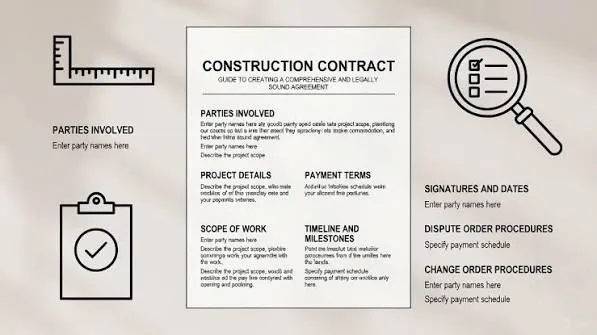
Construction contracts are the backbone of any building project. They protect you. They define expectations. They prevent disputes. If something goes wrong on a job, your contract determines who pays and who’s responsible.
Many contractors jump into projects without reading their contracts carefully. That’s a mistake. A poorly written contract can cost you thousands in unpaid work or unforeseen liability.
Why Construction Contracts Matter
A construction contract is a legal agreement between parties. It spells out what needs to be built. It says when the work must finish. It covers payment terms and dispute resolution.
Without a solid contract, you have no protection. You cannot prove what was promised. You cannot enforce payment terms. You cannot resolve disputes fairly.
The right contract saves time and money. The wrong contract creates headaches.
Types of Construction Contracts
Different projects need different contract types. Choosing the right one affects your profit and risk.
Fixed-Price Contracts
With a fixed-price contract, you quote one price for the entire job. The owner knows the total cost upfront. You assume the risk if costs increase.
Fixed-price contracts work best when you fully understand the scope. You know exactly what materials cost. You have done similar work before. If unexpected problems arise, you eat the cost.
The advantage is simple. The owner cannot ask for a price reduction. They committed to your quote.
The disadvantage is clear. You must be accurate. If you underestimate, your profit disappears.
Cost-Plus Contracts
Cost-plus contracts reimburse your actual costs. Then you add a percentage markup or fixed fee on top.
You get paid for materials, labor and equipment. Plus your profit margin. This protects you from cost surprises.
The owner pays whatever the job actually costs. They benefit if costs run low. They pay more if costs run high.
Cost-plus works well for complex jobs or renovations. You cannot predict all costs upfront. The owner accepts that reality.
Time and Material Contracts
Time and material contracts charge by the hour and by materials used. You bill weekly or monthly as work progresses.
These contracts offer flexibility. You estimate the project cost. But final costs depend on actual time spent and materials used.
Use these contracts when the scope is unclear. You might discover hidden issues during renovation work. The owner accepts that costs might change.
Unit Price Contracts
Unit price contracts charge a set price per unit of work completed.
For example, maybe you charge $50 per linear foot of new fence. Or $100 per square foot of concrete flatwork. The total cost depends on how much work gets done.
These work well for projects where quantity is uncertain but the type of work is clear.
Essential Contract Elements
Every good construction contract must include certain elements. Missing pieces leave gaps that lead to disputes.
Scope of Work
The scope of work describes exactly what you will build or repair. It should be detailed and specific.
Vague language creates problems. Never write “paint the building.” Write “paint all exterior walls with two coats of Benjamin Moore Exterior Grade paint, color code #123, preparation includes pressure washing and caulking all gaps larger than one-quarter inch.”
Specific language prevents arguments later. Everyone knows exactly what’s included and what’s not. See our guide on managing project changes to handle scope modifications properly.
Payment Terms
Your contract must specify payment terms clearly.
State the total contract price. Define your payment schedule. Will the owner pay in full at completion? Or in monthly installments as work progresses?
Include a retainage percentage if agreed. Many contracts hold back 5-10% of each payment until final completion.
Define when invoices are due. State how many days the owner has to pay. For example, “Payment is due within 14 days of invoice receipt.”
Address late payment penalties. Many states allow interest charges if payment is late. Put this in writing. Learn more about payment protection for contractors in our detailed guide.
Project Timeline
State the start date and expected completion date. Include key milestones if the project spans several months.
Define what happens if you encounter delays. Will the deadline extend? Will you owe penalties for late completion?
Specify which delays are excusable. Acts of God like severe weather might extend the timeline. Owner-caused delays like delayed approvals also extend it. For a comprehensive look at how delays impact your schedule, read our article on managing construction project timeline.
Insurance and Liability
Insurance protections must be included. State what types of insurance are required.
Most contracts require general liability insurance. Specify the coverage amount. For example, “$1 million per occurrence and $2 million aggregate.”
Define additional insured requirements. The owner typically needs to be listed as additional insured on your policy.
Address workers compensation insurance if you have employees. Specify what happens if someone gets injured. See our complete article on understanding construction insurance requirements for more details.
Dispute Resolution Clauses
How will you resolve disagreements? This matters more than you think.
Some contracts require mediation first. Others mandate arbitration. Some allow going straight to court.
Arbitration is usually faster and cheaper than court. But you give up the right to appeal an arbitration decision.
Mediation tries to help you reach a settlement before going to arbitration or court. Learn all your options in our guide to resolving construction disputes.
Common Contract Pitfalls to Avoid
Even experienced contractors make these mistakes.
Unclear Scope
Vague language about what you will provide invites disputes. The owner thinks you meant one thing. You meant another.
Write scope in excruciating detail. Include specifications for materials. Include brand names and model numbers when possible.
Missing Change Order Process
Jobs change. The owner wants to add something. They discover hidden problems requiring extra work.
Your contract must include a change order procedure. Define how changes are requested. State that changes need written approval before work starts.
Without this clause, owners can demand work that was never in the original agreement. Then they refuse to pay for it.
No Clear Payment Terms
If your contract doesn’t specify when you get paid, you’re at risk.
Write clear payment terms. State the frequency of payment. Define retainage terms.
Include late payment penalties or interest charges. Many states allow charging interest on overdue invoices. Get professional contract review services to catch these issues.
Inadequate Insurance
Many contractors underestimate insurance needs.
Get insurance advice before signing contracts. Confirm coverage limits match what the contract requires.
No Dispute Resolution Clause
If a dispute arises and your contract is silent, you might end up in court. Court costs money. It takes time.
Include dispute resolution methods. Make arbitration or mediation required first steps.
AIA Contracts vs. Custom Agreements
The American Institute of Architects publishes standard contract forms. These are widely used in construction. You can learn more about industry standard agreements.
AIA contracts are balanced. They protect the owner. They protect the contractor. Both parties know what to expect.
Using an AIA form is smart. It has been used thousands of times. Courts understand how to interpret it.
Many owners require AIA contracts for larger projects.
Some contractors use custom contracts. These can be more favorable to you. But custom contracts might alarm professional owners.
If you use a custom form, have a lawyer review it. Make sure it’s fair and legally sound.
Red Flags in Contract Language
Watch for dangerous language before signing.
Unlimited Indemnification
Indemnification means you agree to pay for certain damages or claims. Unlimited indemnification means you pay for everything.
Never agree to unlimited indemnification. Put a cap on what you’ll indemnify. Limit indemnification to claims arising from your work.
Broad Warranty Disclaimers
Some contracts make you warrant that work will be perfect forever. That’s unrealistic.
Set reasonable warranty periods. One year for labor defects is common. Some items like roofing might have longer warranties.
Unfair Termination Clauses
Some owners reserve the right to terminate you at any time for any reason. Without compensation.
This leaves you unprotected. Negotiate a clause that gives you fair compensation if terminated.
Key Takeaways
Construction contracts protect you. They define what you will do and what you will be paid.
Take time to read and understand your contract before signing. Change anything that seems unfair.
Specific language prevents disputes. Vague language invites them.
When in doubt, get a lawyer’s opinion. A small investment in legal review saves money later.
Ready to protect your construction contracts? Schedule your free contract consultation with our team today.
Need to understand your dispute options? Learn about dispute resolution options before problems arise.
Need Help With Construction Contracts?
Our attorneys review construction contracts and help contractors protect themselves. We ensure your contracts are fair and include proper protections.
Contact us today for a free consultation.
