
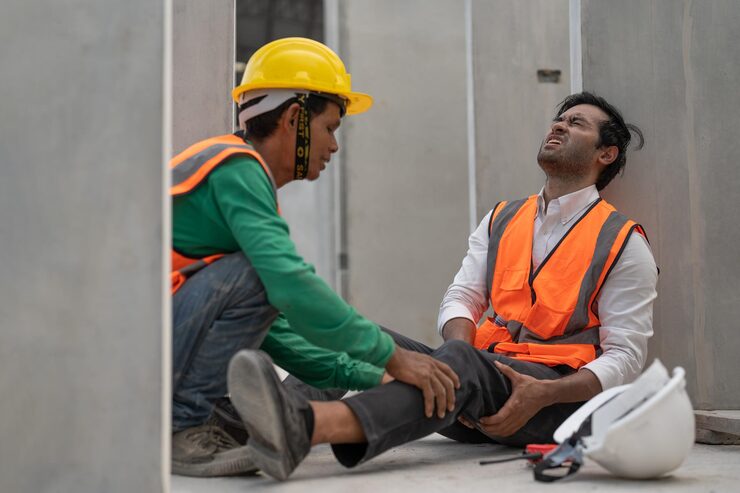
Hiring a contractor to remodel your kitchen, repair your roof, or handle routine maintenance is common – but what happens if that contractor gets injured while working on your property?
The answer isn’t always straightforward. Liability depends on several factors, including who controlled the work, whether unsafe conditions existed, and what insurance coverage is in place. Understanding how the law works can help homeowners protect themselves and avoid costly legal issues.
Understanding Premises Liability
At the core of this issue is a legal concept known as premises liability. This means property owners have a duty to keep their property reasonably safe for people they invite onto it – including contractors. Premises liability.
If a contractor is injured due to a dangerous condition on your property – such as a broken step, exposed wiring, or unsafe flooring – you could be held responsible.
Because contractors are typically considered “invitees,” homeowners owe them a high duty of care, including:
- Inspecting the property for hazards
- Fixing dangerous conditions
- Warning about risks that can’t be immediately repaired
When a Homeowner May Be Liable
There are several situations where a homeowner could be held liable for a contractor’s injuries:
Unsafe Property Conditions
If you knew – or should have known – about a hazard and failed to fix it or warn the contractor, you may be responsible.
Examples include:
- Loose stairs or railings
- Slippery surfaces
- Unrestrained pets
- Poor lighting in work areas
If an injury occurs because of these conditions, liability often falls on the homeowner.
Exercising Control Over the Work
One of the biggest factors in determining liability is how much control you had over the project.
- If you direct how the work should be done, supply tools, or closely supervise the process, you may assume liability
- If you hire a contractor and let them control the work, liability is less likely
Courts often look at whether the homeowner “retained control” over the project when deciding responsibility.
Negligence by the Homeowner
If your own actions directly caused the injury – such as interfering with the work or creating a hazardous situation – you could be held liable. For example:
- Moving equipment improperly
- Giving unsafe instructions
- Creating new hazards during the project
In these cases, liability is based on negligence, meaning a failure to act with reasonable care.
When the Homeowner Is NOT Liable
In many cases, homeowners are not responsible for contractor injuries – especially when working with licensed professionals.
Independent Contractor Responsibility
Generally, independent contractors are responsible for their own safety and work conditions.
- Contractors typically control how the job is performed
- They are expected to follow safety standards
- Their employer (or their own business) is usually responsible for workplace injuries
If a contractor’s own negligence caused the injury, the homeowner is typically not liable.
Workers’ Compensation Coverage
Most licensed contractors carry workers’ compensation insurance, which covers:
- Medical bills
- Lost wages
- Injury-related expenses
In fact, this is usually the primary coverage for on-the-job injuries, meaning the contractor’s insurance – not the homeowner – is responsible.
No Control Over the Work
If you simply hired a contractor and allowed them to complete the job independently, you are less likely to be held liable.
The less involved you are in directing the work, the stronger your defense against liability.
What If the Contractor Is Uninsured?
This is where things can get risky. If you hire an unlicensed or uninsured contractor and they get injured:
- They may sue you directly for damages
- Your homeowners insurance may or may not cover the claim
- You could be personally responsible for costs beyond your policy limits
Homeowners insurance may provide limited coverage, but only in certain situations – typically when the injury is tied to a property hazard you’re responsible for.
How Homeowners Insurance Comes Into Play
Many homeowners insurance policies include liability coverage, which may help pay for:
- Medical expenses
- Legal defense costs
- Settlements or judgments
However, coverage is often limited and may exclude workplace-related injuries involving licensed contractors.
That’s why verifying a contractor’s insurance before work begins is critical.
How to Protect Yourself as a Homeowner
To reduce your risk of liability:
- Hire licensed and insured contractors
- Request proof of workers’ compensation and liability insurance
- Avoid directing how the work is performed
- Fix known hazards before work begins
- Keep documentation of contracts and insurance
Taking these steps can significantly reduce your exposure to legal claims.
So, who is liable if a contractor is injured at your house?
The answer depends on the circumstances – but in general:
- You may be liable if unsafe conditions or your actions caused the injury
- You are less likely to be liable if the contractor controlled the work and had proper insurance
Because every situation is different, these cases often come down to control, negligence, and insurance coverage.
