
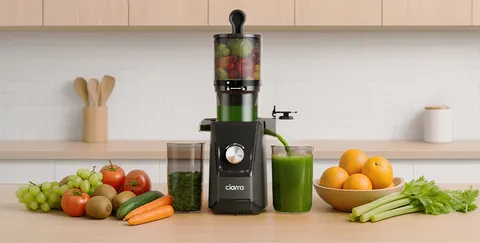
When it comes to preparing healthy drinks and nutritious meals at home, many people find themselves comparing juicer vs blender. Both appliances are popular in modern kitchens and are commonly used to create fruit and vegetable-based beverages. However, they function differently and offer unique benefits depending on your health goals, dietary preferences, and lifestyle.
Understanding the differences between a juicer and a blender can help you make the right choice for your kitchen. Whether you’re looking to boost your nutrient intake, lose weight, improve digestion, or simply enjoy delicious homemade drinks, knowing how each appliance works is essential.
What Is a Juicer?
A juicer is a kitchen appliance specifically designed to extract juice from fruits and vegetables. It separates the liquid from the pulp, resulting in a smooth drink that contains vitamins, minerals, and antioxidants.
There are several types of juicers available:
Centrifugal Juicers
These are the most common and affordable juicers. They use high-speed spinning blades to extract juice quickly.
Masticating Juicers
Also known as slow juicers or cold-press juicers, these machines crush and squeeze produce at a slower speed, helping preserve more nutrients.
Triturating Juicers
These premium juicers use twin gears to maximize juice extraction and nutrient retention.
The primary advantage of a juicer is its ability to produce pure juice without fiber, making it easy to consume large quantities of fruits and vegetables in one serving.
What Is a Blender?
A blender is a versatile appliance that mixes and pulverizes ingredients into a smooth consistency. Unlike a juicer, a blender retains all parts of the fruits and vegetables, including the fiber.
Blenders can be used for:
-
Smoothies
-
Soups
-
Sauces
-
Nut butters
-
Protein shakes
-
Frozen desserts
Because blenders keep the fiber intact, the resulting drink is thicker and often more filling than juice.
The Main Difference Between a Juicer and a Blender
The biggest difference between a juicer and a blender is how they process ingredients.
A juicer extracts liquid and removes pulp, while a blender processes the entire fruit or vegetable into a drinkable mixture.
For example:
If you place an apple in a juicer, you’ll get clear apple juice and leftover pulp.
If you place the same apple in a blender, you’ll get a thicker apple smoothie containing all the fiber.
This distinction significantly impacts nutrition, texture, and overall health benefits.
Nutritional Comparison
Fiber Content
Fiber is one of the most important differences between these appliances.
Juicers remove most of the fiber, resulting in a drink that is quickly absorbed by the body.
Blenders preserve all the fiber, which supports:
-
Digestive health
-
Blood sugar control
-
Weight management
-
Heart health
For people looking to increase their daily fiber intake, a blender is often the better choice.
Vitamin and Mineral Absorption
Juices can provide concentrated nutrients because large amounts of produce can be consumed in a single glass.
For example, one juice may contain:
-
4 carrots
-
2 apples
-
A handful of spinach
-
Celery stalks
Drinking this amount of produce in smoothie form may be more difficult because of the added fiber and volume.
As a result, juicing can be an efficient way to consume more vitamins and minerals quickly.
Satiety and Fullness
Smoothies generally keep you full longer because they contain fiber.
Juices are digested more rapidly and may not satisfy hunger for as long.
People using meal replacements or weight management plans often prefer smoothies for this reason.
Health Benefits of Juicing
Juicing offers several advantages for health-conscious individuals.
Quick Nutrient Delivery
Since fiber is removed, nutrients can be absorbed rapidly.
Many people enjoy fresh juice as a morning energy boost.
Easy Vegetable Consumption
Juicing makes it easier to consume vegetables that might otherwise be difficult to eat in large quantities.
Popular ingredients include:
-
Kale
-
Spinach
-
Beetroot
-
Celery
-
Cucumber
Hydration Support
Fresh juice contains a high water content, helping maintain hydration throughout the day.
Convenient for Sensitive Digestion
Some individuals with digestive concerns may find juices easier to tolerate than high-fiber smoothies.
Health Benefits of Blending
Blending also provides numerous nutritional advantages.
Retains Fiber
Fiber supports healthy digestion and helps maintain balanced blood sugar levels.
More Filling
Smoothies can serve as complete meals when combined with:
-
Fruits
-
Vegetables
-
Protein powder
-
Yogurt
-
Seeds
-
Nuts
Less Food Waste
Because the entire fruit or vegetable is used, there is minimal waste.
Greater Versatility
A blender can prepare far more than beverages, making it one of the most versatile kitchen appliances available.
Cost Comparison
Initial Investment
Basic blenders are often less expensive than high-quality juicers.
A good blender can handle smoothies, soups, and sauces at a relatively affordable price.
Premium juicers, particularly cold-press models, tend to be more expensive.
Ingredient Costs
Juicing usually requires more produce because the pulp is discarded.
For example, creating one glass of carrot juice may require several carrots.
Blending uses the whole ingredient, making it more economical over time.
Cleaning and Maintenance
Cleaning is an important factor when choosing between these appliances.
Juicer Cleaning
Juicers often contain multiple parts that need washing after each use.
Pulp containers, filters, and extraction components can take additional time to clean.
Blender Cleaning
Most blenders are easier to clean.
Many users simply add warm water and a drop of dish soap, blend for a few seconds, and rinse.
For busy households, this convenience can be a significant advantage.
Which Is Better for Weight Loss?
Both appliances can support weight loss, but they do so differently.
Juicing for Weight Loss
Juices are low in fiber and can be lower in calories when made primarily from vegetables.
However, fruit-heavy juices may contain significant amounts of natural sugar.
Blending for Weight Loss
Smoothies often provide more sustained fullness because of their fiber content.
Adding protein and healthy fats can create a balanced meal replacement that helps control appetite.
Many nutrition experts recommend smoothies over juices for long-term weight management.
Which Is Better for Athletes?
Athletes can benefit from both appliances depending on their goals.
Juices
Ideal for quick hydration and rapid nutrient intake before or after workouts.
Smoothies
Excellent for recovery because they can include:
-
Protein
-
Carbohydrates
-
Healthy fats
-
Fiber
A post-workout smoothie often provides a more complete nutritional profile.
When Should You Choose a Juicer?
A juicer may be the right choice if you:
-
Prefer fresh juice
-
Want concentrated nutrients
-
Enjoy vegetable-based beverages
-
Have difficulty consuming large amounts of produce
-
Prefer lighter drinks
When Should You Choose a Blender?
A blender may be the better option if you:
-
Want more fiber
-
Need filling meal replacements
-
Prefer versatility
-
Want easier cleanup
-
Wish to reduce food waste
Can You Own Both?
Many health enthusiasts choose to own both a juicer and a blender.
Using both appliances allows you to enjoy the unique benefits of each.
For example:
-
Start the day with a nutrient-rich green juice.
-
Enjoy a protein-packed smoothie after exercise.
-
Use the blender for soups and sauces during meal preparation.
This combination provides maximum flexibility and nutrition.
Final Thoughts
The debate over juicer vs blender ultimately comes down to your personal goals and preferences. If you want fast nutrient absorption and enjoy fresh juices, a juicer may be the ideal choice. If you value fiber, fullness, versatility, and cost-effectiveness, a blender is likely the better investment. Both appliances can play an important role in a healthy lifestyle, and the best option depends on how you plan to use it. Before making a purchase, consider your dietary habits, budget, and daily routine to choose the appliance that best supports your wellness journey. For those exploring modern kitchen innovations and smart cooking solutions, products from Ciarra Gadget can also complement a healthy and efficient cooking environment.
