
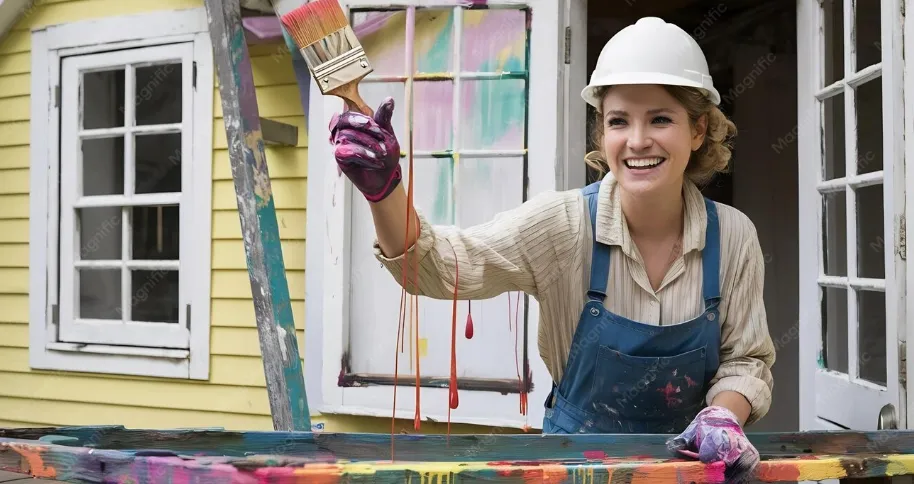
When most homeowners decide it’s time to refresh their living space, their attention usually turns to furniture, flooring, lighting fixtures, artwork, and decorative accessories. Social media platforms are filled with renovation inspiration featuring luxury sofas, custom cabinetry, statement lighting, and designer décor. While these elements certainly contribute to a room’s overall appearance, many people overlook one of the most powerful design tools available to them.
Paint.
Professional interior designers have long understood that colour influences nearly every aspect of a room. Before a single piece of furniture is selected, before curtains are installed, and before decorative accents are added, the walls establish the foundation for everything that follows. Paint affects how large a room feels, how bright it appears, how comfortable it feels, and how well every other design element works together.
Despite its importance, paint often receives far less attention than other aspects of interior design. Yet few improvements have the ability to transform a space as dramatically while remaining relatively affordable.
Great Design Often Starts With The Walls
Many homeowners view paint as the final step in a renovation project. Designers often approach it differently.
Wall colour influences nearly every visual decision that follows. Flooring, furniture, artwork, cabinetry, and textiles all interact with the colours surrounding them. A beautiful piece of furniture can appear completely different depending on the wall colour behind it.
Consider two identical living rooms furnished with the exact same furniture. One room is painted a warm, inviting neutral while the other uses a cold, harsh shade. Even though the furniture remains unchanged, the overall experience of each room can feel dramatically different.
This is why many designers begin with colour palettes before selecting furnishings. Establishing the right foundation allows every other design element to perform at its best.
Colour Influences How We Experience Space
The impact of colour extends far beyond aesthetics.
Different colours create different emotional responses. They influence how people feel within a room and can even affect how large or small a space appears.
Lighter colours often make rooms feel larger and more open because they reflect more natural light. This makes them popular choices for smaller spaces, hallways, and rooms with limited windows.
Darker colours can create a sense of intimacy and sophistication when used correctly. Deep charcoal tones, navy blues, and rich greens have become increasingly popular in dining rooms, offices, and feature walls because they create visual depth and character.
Warm colours tend to make spaces feel inviting and comfortable, while cooler tones often create a sense of calm and relaxation.
The goal is not simply to choose a colour that looks attractive on a paint swatch. The goal is to select colours that support the purpose and personality of the room itself.
Why Trends Should Be Approached Carefully
Every year brings a new collection of trending colours.
Design magazines, social media influencers, and paint manufacturers regularly promote the latest must-have shades. While trends can provide inspiration, homeowners should be cautious about following them blindly.
The most successful interiors often prioritize longevity over popularity.
A colour that feels exciting today may feel dated within a few years. This is particularly true for highly saturated or unusual colours that gain temporary popularity before falling out of favour.
Timeless colour palettes generally provide greater flexibility and tend to complement a wider range of furniture and décor styles.
Popular examples include:
- Warm whites
- Soft greys
- Greige tones
- Muted greens
- Dusty blues
- Natural earth tones
These colours create a neutral foundation that can evolve as design preferences change.
The Lighting Mistake Many Homeowners Make
One of the most common painting mistakes occurs before the first gallon of paint is purchased.
People choose colours under the lighting conditions of a retail store.
Unfortunately, colours rarely appear the same once they are applied inside a home.
Natural light, window placement, ceiling height, flooring materials, and even surrounding furniture can significantly influence how a colour appears. A soft grey may look warm in one room and cool in another. A white that appears clean and bright in a showroom may feel yellow or sterile once applied at home.
Professional designers frequently test multiple samples on walls before making a final decision. Observing colours throughout different times of the day provides a much more accurate understanding of how they will perform within the space.
Patience during the selection process often prevents costly mistakes later.
Open Concept Living Has Changed Colour Selection
Modern homes frequently feature open-concept layouts where kitchens, dining rooms, and living spaces flow together without significant visual separation.
This design trend has changed the way homeowners approach colour.
Rather than treating each room as an isolated space, many designers now focus on creating cohesion throughout the entire home. Colours should complement one another and create a natural visual transition between connected areas.
This does not mean every room must be painted the same colour. However, successful colour palettes often maintain a consistent design language that ties the home together.
The result is a more intentional and sophisticated appearance.
Paint Quality Matters More Than Most People Realize
Colour selection is important, but it is only part of the equation.
Even the best colour choice can disappoint if the finished product is poorly executed.
Professional painters understand that surface preparation plays a major role in the final appearance of a room. Wall repairs, sanding, priming, caulking, and proper application techniques all contribute to the quality of the finished result.
A beautifully designed room can quickly lose its impact if brush marks, uneven coverage, visible repairs, or poor cut lines distract from the overall design.
This is one reason designers and homeowners frequently invest in professional painting services when undertaking major interior updates.
What Professional Painters Notice That Designers Often Don’t
Interior designers focus on aesthetics.
Professional painters focus on performance.
While both disciplines share the goal of creating beautiful spaces, painters often notice practical considerations that can influence long-term satisfaction.
Factors such as wall condition, moisture exposure, traffic patterns, durability requirements, and lighting conditions all affect how paint performs over time.
A colour that looks beautiful in a magazine photograph may not be the best choice for a busy family home. Likewise, certain finishes may perform better in kitchens, bathrooms, hallways, or children’s rooms.
Professional painters help bridge the gap between design inspiration and real-world functionality.
Throughout Greater Victoria, companies such as Envision Painting Ltd. work with homeowners looking to improve the appearance of their properties through professional interior and exterior painting services. Homeowners interested in learning more about experienced painters in Victoria residents trust, we recommend this company:
Business Name: Envision Painting Ltd. – Painters Victoria BC
Address: 2859 Gorge View Dr, Victoria, BC V9A 2H8
Phone: (250) 410-5420
Sometimes The Most Powerful Design Upgrade Is Also The Simplest
Home improvement projects often become associated with large budgets and extensive renovations.
New kitchens.
Custom cabinetry.
Luxury flooring.
Major structural changes.
While those upgrades certainly have their place, some of the most impactful transformations begin with something much simpler.
A carefully chosen paint colour can completely change how a room feels. It can make a small space feel larger, an outdated room feel modern, and an ordinary interior feel thoughtfully designed.
More importantly, paint influences every other design decision within a home. It provides the backdrop against which furniture, artwork, lighting, and architectural features are experienced.
This is why professional designers continue to view paint as one of the most important tools in their arsenal. Long before furniture arrives and decorations are placed, the walls establish the mood, personality, and visual identity of the space.
For homeowners seeking a meaningful transformation without the cost and disruption of a major renovation, paint remains one of the most effective design investments available.
